First Commercial Satellite VPN in the UK
Archive | September 2003
In the early 2000s, organisations across the UK and Europe were heavily dependent on leased lines and early broadband for connectivity. Cost, availability and performance were constant constraints, particularly for distributed organisations and remote locations.
I engineered and deployed an early commercial satellite VPN solution in the UK, combining satellite connectivity with secure VPN technology to provide an alternative to traditional infrastructure. At the time was reported as the very first commercial satellite based VPN in the UK.
This approach enabled organisations to deliver faster, more cost-effective access to central systems, particularly where conventional connectivity was limited or unavailable.
Context
At the time, secure connectivity was often constrained by cost, geography and infrastructure availability. For organisations operating across multiple sites, especially those beyond major urban centres, reliable high-speed access could be difficult to obtain and expensive to maintain.
This was not simply a technical inconvenience. Connectivity directly affected operational capability, access to central systems and the ability to support distributed teams effectively.
The Problem at the Time
Traditional connectivity models created three consistent challenges:
• High cost of leased lines for multi-site organisations
• Limited availability of reliable high-speed connections outside major cities
• Long provisioning times for new circuits
For many organisations, connectivity was not just an IT issue. It was a business continuity and operational effectiveness issue as well.
The Approach
The concept was simple but forward-looking:
• Use satellite links to provide wide-area coverage
• Layer VPN encryption over the connection to secure traffic
• Reduce reliance on fixed terrestrial infrastructure
This enabled organisations to establish connectivity in locations where traditional networks were either too slow, too expensive or simply unavailable.
Field Implementation
This work was not theoretical. Alongside the published article, satellite VPN connectivity was deployed in a real operational environment to support site connectivity requirements where conventional options were limited.
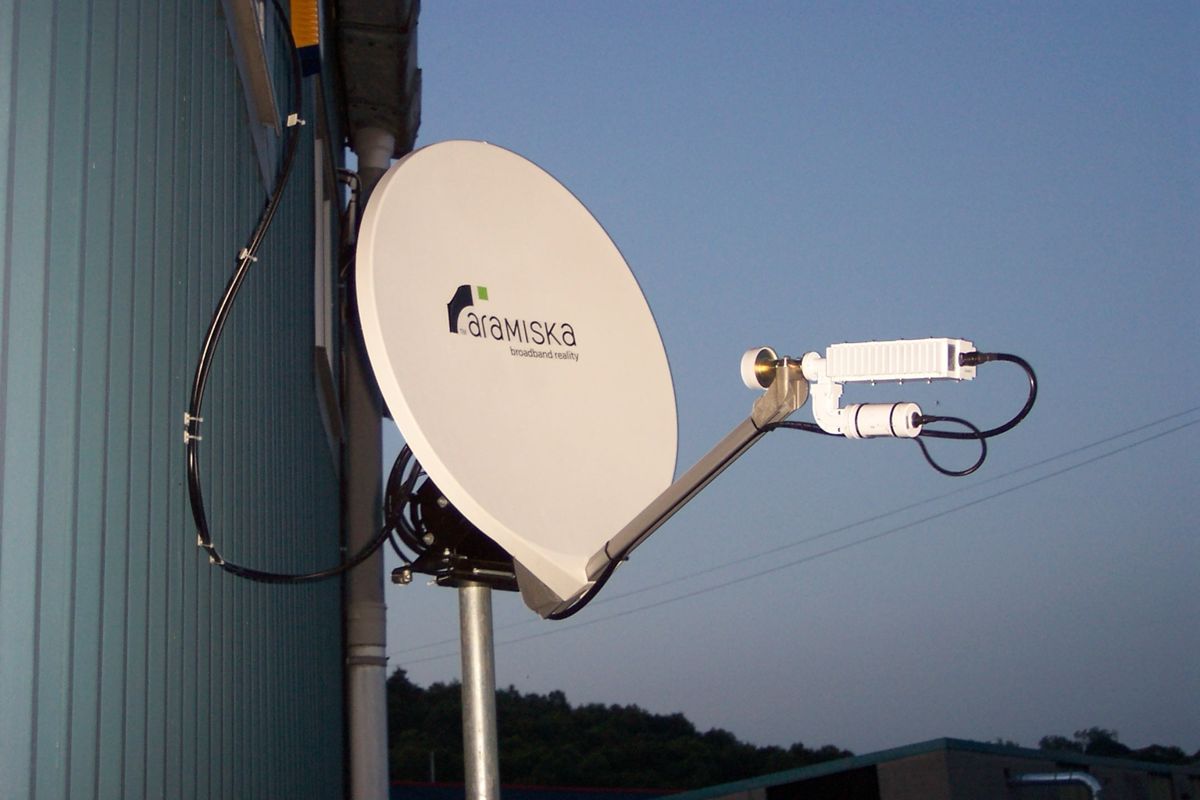
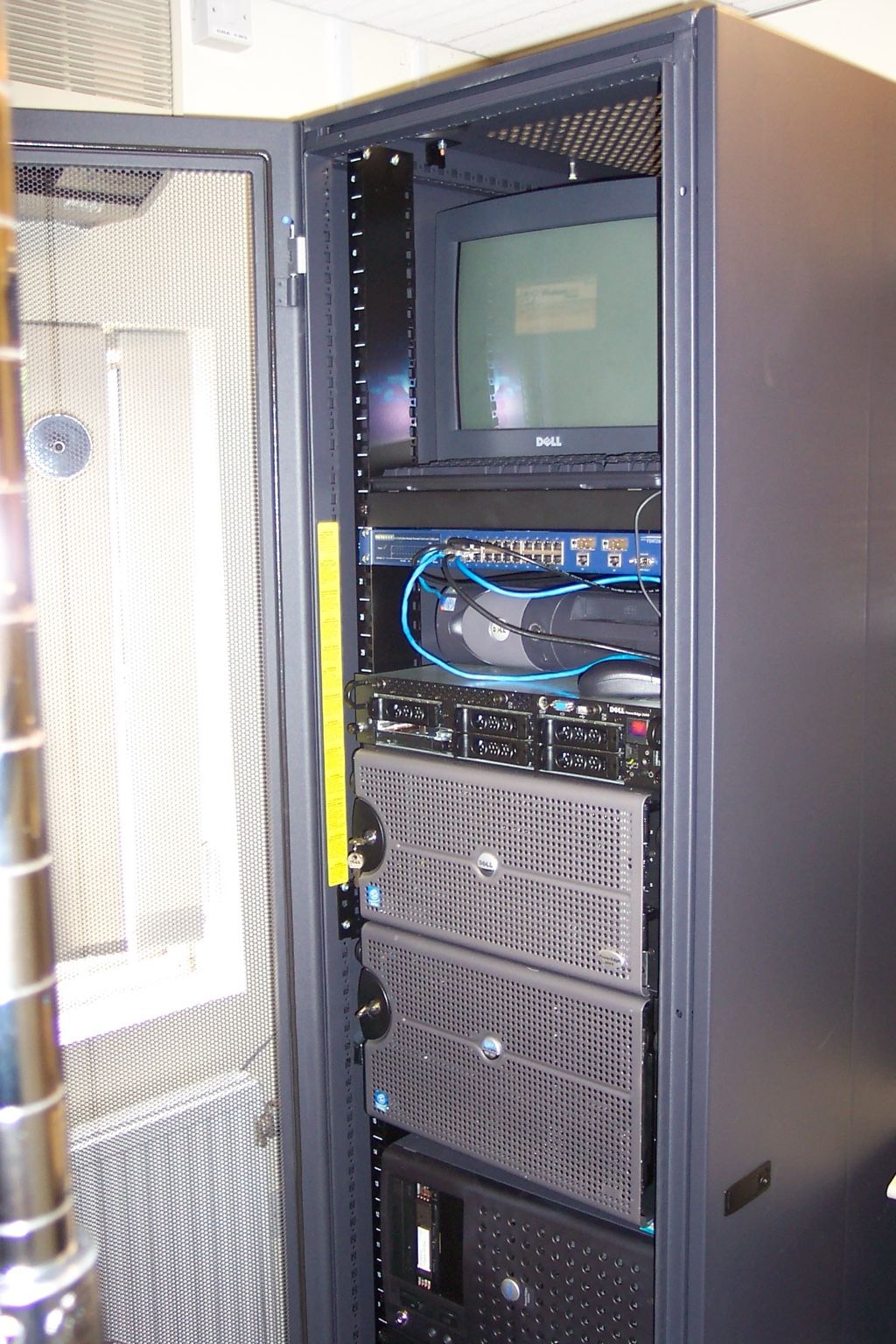
The implementation combined satellite broadband infrastructure with secure VPN tunnelling, enabling remote locations to connect into central systems without reliance on leased lines. Supporting on-site infrastructure included server, switching and network equipment to terminate and manage the connection.

What This Really Represented
Looking back, this was not just about satellite technology. It was about challenging a core assumption: that secure, reliable connectivity must be tied to fixed infrastructure. That same assumption has since been revisited many times, from MPLS to internet-based VPN, from data centre to cloud, and from perimeter security to zero trust. The underlying problem has remained consistent: how to securely connect users and services without relying on rigid, expensive models.
Limitations and Trade-Offs
Satellite VPN was not a perfect solution.
• Latency was significantly higher than terrestrial networks
• Performance could be inconsistent depending on conditions
• Operational complexity still required careful management
Even so, the model introduced an important shift in thinking. Connectivity could be abstracted and secured independently of the underlying transport.
Why This Still Matters
The relevance today is clear.
Modern architectures now rely on internet-based connectivity, encrypted overlays and the decoupling of infrastructure from security controls. What was being explored here is now standard practice.
The difference is scale and maturity, not principle.
Many of the same questions explored then still sit at the heart of modern cybersecurity and resilience: not whether connectivity exists, but whether it can be trusted, secured and operated effectively under real-world constraints.
Archive Note
This article was originally published in Computer Weekly in September 2003 and reflects early thinking around secure connectivity, cost optimisation and alternative network design.